❤️ Labubu ❤️

The title "Mario Labubu's Cloudy Adventure" can be translated into Japanese as: **マリオ・ラブブの曇り空の冒険** (Mario Rabubu no Kumozora no Bōken) Here’s the breakdown: - マリオ (Mario) = Mario - ラブブ (Rabubu) = Labubu (phonetically adapted) - 曇り空 (Kumozora) = Cloudy Sky - 冒険 (Bōken) = Adventure This translation keeps the essence of the title while adapting it naturally for Japanese readers.
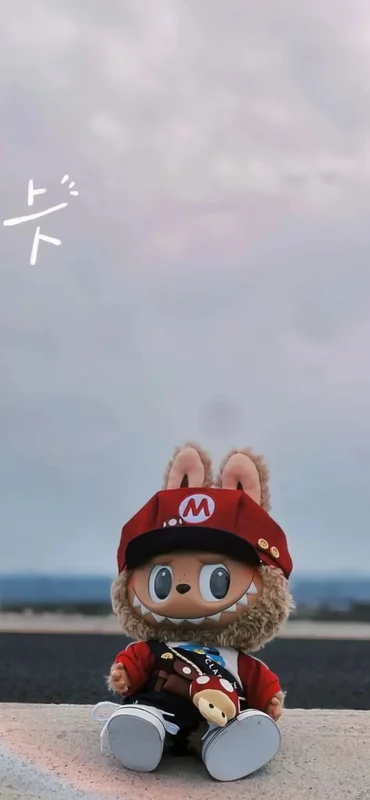
The title "Mario Labubu's Cloudy Adventure" can be translated into Japanese as:

**マリオ・ラブブの曇り空の冒険**  
(Mario Rabubu no Kumozora no Bōken)

Here’s the breakdown:  
- マリオ (Mario) = Mario  
- ラブブ (Rabubu) = Labubu (phonetically adapted)  
- 曇り空 (Kumozora) = Cloudy Sky  
- 冒険 (Bōken) = Adventure  

This translation keeps the essence of the title while adapting it naturally for Japanese readers.
モバイルグレーカートゥーン

雲を背景に、マリオの衣装を着たラブブのフィギュア。赤い帽子をかぶっています。

その他の壁紙
The title "Christmas Labubu with a Red Hat and Trees" can be translated into Japanese as:

**赤い帽子と木々のクリスマスラブブ**  
(Akai Bōshi to Kigi no Kurisumasu Rabubu)

Here's a breakdown of the translation:
- **赤い帽子 (Akai Bōshi)**: Red Hat
- **木々 (Kigi)**: Trees
- **クリスマス (Kurisumasu)**: Christmas
- **ラブブ (Rabubu)**: Labubu

This translation maintains the essence of the original title while adapting it to Japanese.

The title "Christmas Labubu with a Red Hat and Trees" can be translated into Japanese as: **赤い帽子と木々のクリスマスラブブ** (Akai Bōshi to Kigi no Kurisumasu Rabubu) Here's a breakdown of the translation: - **赤い帽子 (Akai Bōshi)**: Red Hat - **木々 (Kigi)**: Trees - **クリスマス (Kurisumasu)**: Christmas - **ラブブ (Rabubu)**: Labubu This translation maintains the essence of the original title while adapting it to Japanese.

幻想的ラブバルーンライド 星空の下で  
(Maboroshi no Labubu Balloon Ride Hoshizora no Shita de)  

This title captures the dreamy and magical essence of the scene, with "幻想的" (maboroshi no) meaning "dreamy" or "fantastical," and "星空の下で" (hoshizora no shita de) meaning "under the starlit sky." "ラブバルーンライド" (Labubu Balloon Ride) remains in its original form, as it is a proper noun.

幻想的ラブバルーンライド 星空の下で (Maboroshi no Labubu Balloon Ride Hoshizora no Shita de) This title captures the dreamy and magical essence of the scene, with "幻想的" (maboroshi no) meaning "dreamy" or "fantastical," and "星空の下で" (hoshizora no shita de) meaning "under the starlit sky." "ラブバルーンライド" (Labubu Balloon Ride) remains in its original form, as it is a proper noun.

The title "Angelic Labubu: Protecting the Colorful Globe" can be translated into Japanese as:

**天使のラブブ:カラフルな地球を守る**  
(Tenshi no Labubu: Karafuru na Chikyū o Mamoru)

Here’s the breakdown:  
- **Angelic** = 天使の (Tenshi no)  
- **Labubu** = ラブブ (Labubu, kept as is since it’s a name)  
- **Protecting** = 守る (Mamoru)  
- **the Colorful Globe** = カラフルな地球 (Karafuru na Chikyū)  

This translation maintains the essence of the original title while adapting it naturally for a Japanese audience.

The title "Angelic Labubu: Protecting the Colorful Globe" can be translated into Japanese as: **天使のラブブ:カラフルな地球を守る** (Tenshi no Labubu: Karafuru na Chikyū o Mamoru) Here’s the breakdown: - **Angelic** = 天使の (Tenshi no) - **Labubu** = ラブブ (Labubu, kept as is since it’s a name) - **Protecting** = 守る (Mamoru) - **the Colorful Globe** = カラフルな地球 (Karafuru na Chikyū) This translation maintains the essence of the original title while adapting it naturally for a Japanese audience.

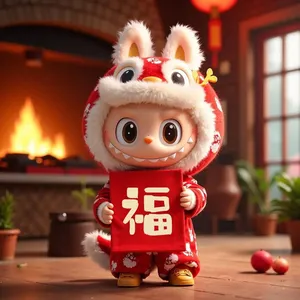
The title "Labubu Bunny Celebrates Lunar New Year" can be translated into Japanese as:

**ラブバニーが旧正月を祝う**  
(Rabu Banī ga Kyūshōgatsu o iwau)

Here’s a breakdown of the translation:
- **ラブバニー (Rabu Banī)**: Labubu Bunny  
- **旧正月 (Kyūshōgatsu)**: Lunar New Year  
- **祝う (iwau)**: Celebrates  

This translation maintains the meaning while adapting it for Japanese readers.

The title "Labubu Bunny Celebrates Lunar New Year" can be translated into Japanese as: **ラブバニーが旧正月を祝う** (Rabu Banī ga Kyūshōgatsu o iwau) Here’s a breakdown of the translation: - **ラブバニー (Rabu Banī)**: Labubu Bunny - **旧正月 (Kyūshōgatsu)**: Lunar New Year - **祝う (iwau)**: Celebrates This translation maintains the meaning while adapting it for Japanese readers.

Beach Bliss: Labubu's Sunny Escape

Beach Bliss: Labubu's Sunny Escape

The title "Grinning Rabbit's Urban Dreamscape" can be translated into Japanese as:

**「にっこりウサギの都会の夢景色」**  
(Nikkori Usagi no Tokai no Yumegeshiki)

Here’s the breakdown:  
- **Grinning Rabbit**: にっこりウサギ (Nikkori Usagi)  
- **Urban**: 都会の (Tokai no)  
- **Dreamscape**: 夢景色 (Yumegeshiki)  

This translation maintains the whimsical and imaginative tone of the original title.

The title "Grinning Rabbit's Urban Dreamscape" can be translated into Japanese as: **「にっこりウサギの都会の夢景色」** (Nikkori Usagi no Tokai no Yumegeshiki) Here’s the breakdown: - **Grinning Rabbit**: にっこりウサギ (Nikkori Usagi) - **Urban**: 都会の (Tokai no) - **Dreamscape**: 夢景色 (Yumegeshiki) This translation maintains the whimsical and imaginative tone of the original title.

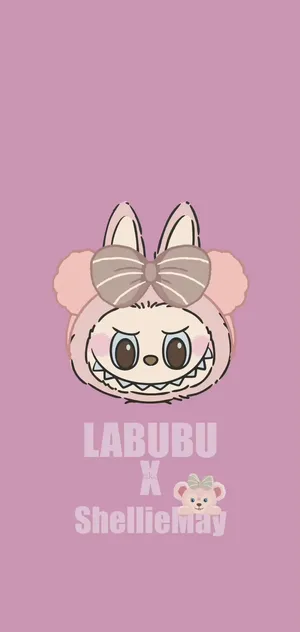
Labubu x ShellieMay Pinky Wallpaper

Labubu x ShellieMay Pinky Wallpaper

Space Bunny's Lunar Adventure Wallpaper

Space Bunny's Lunar Adventure Wallpaper

Urban Explorer Labubu's Step Out

Urban Explorer Labubu's Step Out

The title "Monster Mash: Mischievous Creatures Gather" can be translated into Japanese as:

**モンスター・マッシュ:いたずら好きな生き物たちの集い**  
(モンスター・マッシュ:いたずらずきないきものたちのつどい)  

Here’s the breakdown:  
- **Monster Mash** → **モンスター・マッシュ** (transliteration of the title)  
- **Mischievous Creatures** → **いたずら好きな生き物たち** (いたずらずきないきものたち)  
- **Gather** → **集い** (つどい, meaning gathering or assembly)  

This translation retains the playful and spooky tone of the original title.

The title "Monster Mash: Mischievous Creatures Gather" can be translated into Japanese as: **モンスター・マッシュ:いたずら好きな生き物たちの集い** (モンスター・マッシュ:いたずらずきないきものたちのつどい) Here’s the breakdown: - **Monster Mash** → **モンスター・マッシュ** (transliteration of the title) - **Mischievous Creatures** → **いたずら好きな生き物たち** (いたずらずきないきものたち) - **Gather** → **集い** (つどい, meaning gathering or assembly) This translation retains the playful and spooky tone of the original title.

「ラブブ:恋人をキャッチするポスター」  
(Labubu: Koibito wo Kyatchi Suru Posutā)  

Explanation:  
- "Labubu" is kept as is since it's a proper noun and often used directly in Japanese.  
- "A Sweetheart's" is translated as 「恋人の」(Koibito no), meaning "beloved's" or "sweetheart's."  
- "Catch Me" is translated as 「キャッチする」(Kyatchi Suru), which directly means "to catch."  
- "Poster" is 「ポスター」(Posutā), a commonly used loanword in Japanese.  

Let me know if you'd like further adjustments!

「ラブブ:恋人をキャッチするポスター」 (Labubu: Koibito wo Kyatchi Suru Posutā) Explanation: - "Labubu" is kept as is since it's a proper noun and often used directly in Japanese. - "A Sweetheart's" is translated as 「恋人の」(Koibito no), meaning "beloved's" or "sweetheart's." - "Catch Me" is translated as 「キャッチする」(Kyatchi Suru), which directly means "to catch." - "Poster" is 「ポスター」(Posutā), a commonly used loanword in Japanese. Let me know if you'd like further adjustments!

Labubu's Joyful Chaos: A Fun-Filled Adventure

Labubu's Joyful Chaos: A Fun-Filled Adventure